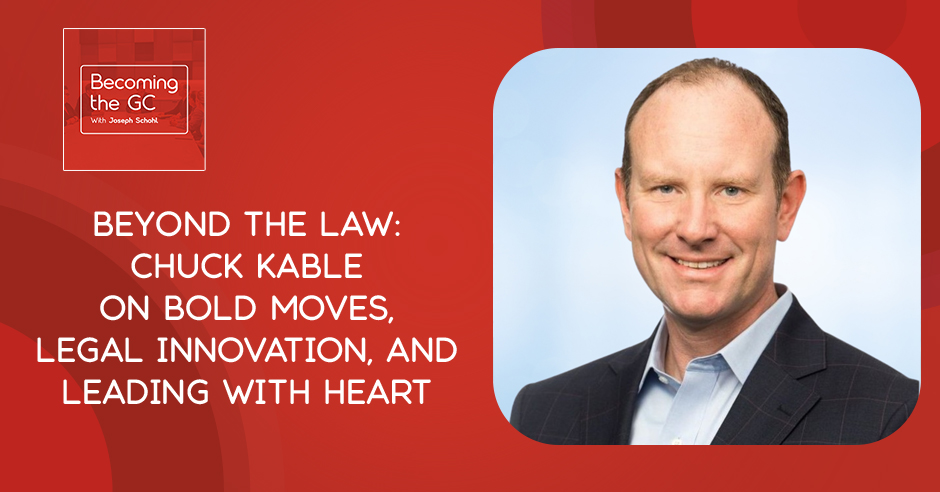
A general counsel’s work, even though not without its fair share of challenges, is truly a worthwhile one. Joseph Schohl is joined by Chuck Kable, Chief Legal Officer and Secretary at Innovative Renal Care, who shares his career path from litigation to in-house counsel. Looking back to his numerous GC positions, he discusses how this legal role has evolved over the years, particularly with the adoption of AI technologies. Chuck also talks about the importance of being uncomfortable with uncertainty, the right way to manage your time efficiently, and why continuous learning is essential in growing as an effective leader.
—
Watch the episode here
Listen to the podcast here
Beyond The Law: Chuck Kable On Bold Moves, Legal Innovation, And Leading With Heart
We spoke with Chuck Kable, and here is what is in this interview. You’ll discover how Chuck’s unconventional path from economics and debate to litigation, and ultimately multiple GC roles, shaped his approach to leadership. You’ll learn how law departments are embracing technology and AI with real-world examples of tools, transforming efficiency and strategy. You’ll read about Chuck’s candid insights on personal growth, overcoming Imposter Syndrome, and the essential people skills every aspiring GC should develop. Stay with me to the end and I’ll share my biggest takeaways.
Here’s Chuck’s bio. As the Chief Legal Officer, General Counsel and Corporate Secretary at Innovative Renal Care, Chuck oversees all legal affairs for the fourth largest dialysis operator in the US. With 25 years of legal experience, he has a proven track record of successfully guiding companies through major transformations, driving impressive growth and navigating complex regulatory environments, especially in the healthcare and health tech sectors. Chuck is passionate about transforming and modernizing corporate legal service delivery. You’re going to learn more about that, and he focuses on a metrics-driven approach to legal that demonstrably leads to increased efficiency, profitability, and customer satisfaction. With that, let’s get into the interview.
Chuck, how are you?
Good, Joe. How are you?
Chuck’s Journey From Litigation To General Counsel
Good to see you. I’m doing well. Thank you. We’re going to take a little journey on your career path and talk about your path to becoming a GC, but I’m going to go back further in time and ask you what inspired you to pursue a career in law to begin with?
When I was in college, I didn’t know what I wanted to do. My stepdad was the one that actually said to me, “How’d you do in debate class?” I’m like, ‘I did okay.” He’s like, “That’s a potential option for you.” I was studying economics at the time. I really enjoyed the thought process that you engage in terms of solving some of those model-based problems. That was my first exposure to the economic side of law. I got some exposure to Judge Posner, who was a very opportunity cost, who should bear the cost kind of judge.
As an undergrad, you did?
There were some interesting forces we took. It gave us exposure here and there. At the end of it, it seemed like a viable career path for me. I just took a chance. I thought I could be good at it. I think I’m okay at it, but it worked out.
Were you in the Big 10? You went to a Big 10 school?
Yeah, I’m a Michigan State guy. I was at Michigan State, undergrad.
Did you go straight through to law school?
I did. It’s tough when you’re that young to make a decision about what you’re going to do for the rest of your life. I think in the moment, you just go where your heart and your head leads you. I think for me, once I was in law school and you’re telling yourself, “This is serious. This really matters,” I think the rest took care of itself. I really enjoyed that experience.
They probably still say it now, but certainly, when we were going to law school, it was like, this does not mean you’re committed to being a lawyer. It opens as many options as forces you to choose. Yet here we are, still lawyers.
Doomed forever.
When did you first think you wanted to be a general counsel?
I started out actually as a litigation attorney. I worked in Metro Detroit. Very competitive spot to be. I was a theater kid too when I was in high school and stuff. I really enjoyed going to court. It was fun. I became skilled at breaking down witnesses and depositions and identifying inconsistencies in stories. I was an insurance defense guy, so I spent a lot of time deposing people about claims they were making. It becomes less rewarding over time, and you don’t feel like you’re doing good, even though you’re representing your client. I began thinking fairly quickly within the first probably three years of my litigation career that this is not what I want for the rest of my life.
I didn’t do anything immediately. I just knew that I wanted more or something different. More is probably the wrong word, but I just wanted something different. I just kept my eyes and ears open. I ended up moving in-house. It was still a litigation department for State Farm. From there, I made a jump into a startup that focused on healthcare subrogation, which was still litigation adjacent.
That was the first job that gave me exposure to hiring attorneys, training them, managing performance, all while doing the day job on top of it. I worked with the gentleman there who was the founder that served as the CEO and the GC because he was an attorney that founded the business. Watching him wear the hat of the GC was exciting to me. From that point, it became my career goal for me.
He was a mentor as well as your boss, but a mentor in the GC role, would you say?
I wouldn’t call him a mentor. I think that he was very sharp, very smart, and I was lucky enough to be in the room on occasion when he was exercising his GC muscles. I did not really feel like it was a mentor-mentee relationship. I had some had a mentor on the litigation side. By and large, on my journey through this GC world, the mentors I have had have been operators and not lawyers, which has been different.
Primarily, it’s driven by the fact that a lot of the businesses I’ve worked for I’ve been either one of very few, or the only GC, so I’ve been a solo GC. I’ve run teams. When you’re a solo, you don’t have anybody to bounce ideas off of other than maybe your boss. I did get lucky in a number of positions. One mentor in particular that I still keep very close touch with and has had a strong influence on me and my career.
Tell me about your first GC role. How did that come about?
It was so fun. I was in Michigan at the time. I was working at the subrogation startup right around the time of the financial crisis, so 2008. Michigan was the not a good place to be during that time. I had a job. I was secure in that job, but I did not feel like I had opportunity to move up in that role. I had been looking for a new job for eight months inside the state of Michigan.
In August of 2008, I talked to my wife and I was like, “Is it okay if I maybe look outside the state just to see?” She said, “Sure.” That was in August. By November 1st, we had relocated to the Woodlands, Texas. I was starting my first day on the job as general counsel for Cardon Healthcare Network, which is a RevCycle business here in the Woodlands.
That was fast.
Texas had a resilient economy. They went through their own challenges. It still affected everybody, but I think it was less so in certain states. I think Texas was one of those states that didn’t have as much of an impact and was still a really good economic environment.
Have you been there ever since in the Woodlands?
I have.
Multiple GC jobs along the way.
Multiple GC gigs.
What It Is Like To Take On Multiple GC Positions
Tell us about that progression.
I’ve been lucky to hang in one place. I worked at Cardon for about six years. We went through private equity transaction there. I worked with a number of great CEOs through my experience there. Eventually, I got recruited away to another business located in the Woodlands called Emerus Holdings. Originally, they started out as like a freestanding emergency department business.
The founders were all emergency physicians, sharp guys, made a decision to transition the model into more of a community like neighborhood hospital footprint. They were the first movers in what’s called the micro hospital space which is a fully licensed hospital with inpatient bays, outpatient, emergency department, but it’s a much smaller footprint. Those were typically joint venture relationships for what it’s worth. Those guys recruited me away. I think I was their first GC. I stayed there for five years, I think.
Who was the CEO during that time?
There was a doctor named Toby Hamilton. This is where our paths almost crossed, I think. This is when I start floating in your rotation or your world. Toby Hamilton was the founder and was the original CEO of the business. He made a decision to step away. He stayed on the board of directors, but then a guy named, Craig Goguen, took over. Craig came from the dialysis side of the business. He had worked for DaVita, which is of course where you were. He worked for DSI Renal. I think he had done a deal with those guys before he eventually made his way to Emerus.
He and I did not overlap DaVita but I’ve heard about him my whole career. He’s a legend. He went off and had a lot of success but we missed each other at DaVita by a little bit.
He was a good guy. Transitions like that, CEO moving out, new CEO coming in, they’re not easy for anybody, and for a GC in particular. You have to make sure you have a firm foundation. It can take time and it’s different with every personality that you deal with, which is why I always valued my litigation experience incidentally. I think that one of the things you learn through that world is how to read people, how to work with people, how to communicate effectively, depending on style. I think that helps a ton.
You’re not giving up your own sense of self or your own integrity if you have to adjust style based on who you’re working with. I think that that skillset really has been probably one of the most beneficial things throughout my career. My team right now, I do not know a lot but I know people and I know how to get them to talk and essentially provide me with exactly what it’s they’re looking for. That’s always really useful, I think, whether people are pissed at you or whether they’re looking for answers. Sometimes both.
Chuck’s Role At Innovative Renal Care
Tell me about Innovative Renal Care.
It is a dialysis business. This just goes to show you connections really do matter. I met a guy named George Attmore. He was the chief financial officer, one of several that came through Emerus. I met George at Emerus and had a really good working relationship, which I think GCs have to have good working relationships with CFOs.
He was great. I had really good experience with him. I ended up moving on to a different role, and I don’t remember how long after I left that George made a decision to move to a different role. He moved to a different role, and that was with IRC. Flash forward several years, their GC was about to depart, essentially. He was looking to do something different. George gave me a call out of the blue and said, “Are you interested?”
There is nothing like healthcare people. They are compassionate, empathetic, and care about each other. Share on XI said, “Sure.” George connected me with the right folks at IRC and met everybody, and it was a really good team. It’s good to be back in what I call soup to nuts healthcare. I was in an occupational health business before, which is a little bit different. There’s nothing like healthcare people. I think they’re compassionate and empathetic. They care about each other. You can feel the cultural environment, which is what I feel at IRC.
How The GC Role Has Evolved Over Time
You’ve been a GC in various roles over a period of time. How is the role different? How has it evolved or is it pretty much the same?
I think it’s evolved. Obviously, when you’re a solo versus managing a team, there’s different stuff you’re going to wake up and do every day. I think that you have to be in the weeds. You have to be tactical and you have to back out of that and be strategic when you’re the solo and understand where your gaps are and all that good stuff.
That doesn’t really change for a larger business, other than now you’ve got a team that are running traps on a lot of the day-to-day tactical stuff. I also need them to elevate, to help me understand strategic issues and risks as we move forward. Certainly, the way I’ve evolved and it feels like this is the way the industry’s moving, there is a much more defined focus around the operational aspects of a legal department.
The way in which you’re tracking the stuff that you’re doing, how you’re reporting on the way you’re tracking it, how you’re addressing efficiency. Are you tracking hours? Are you tracking projects completed per person per week or month or whatever? Definitely, this legal operations movement that has been growing for quite some time, it certainly has affected me.
Due to the fact that I’ve worked for some smaller businesses, I’ve worn multiple hats. I’ve run compliance teams, I’ve run human resources, I’ve run talent acquisition. Those experiences, it’s a hard and fast education around how to understand metrics. I really enjoyed the way you can use metrics in those functions. I always thought there’s a way to do this in legal. You just have to focus on the right stuff and measure.
Whereas a lot of legal departments’ lawyers think, “That doesn’t apply to us. There’s no way to handle it,” even though it applies to everything else.
It’s the same concept as like the financial reporting you get out of the finance team. It’s like they’ve got this regular cadence reporting with key measures. They’re talking about variability and why there’s differences. Legal can do that. It’s different. The practical reality is not everybody cares, but in terms of the overall financial performance of the business, cashflow, effective utilization of company resources, this stuff matters.
I wonder if it’s because we’re trained to question everything. As soon as we’re nervous about putting metrics forward, because that’s not the whole story and everybody knows that with metrics. It’s the start. It’s the starting point to have a conversation about how things are going directionally.
It took a lot of time to get my team comfortable with this whole concept. I remember walking in. I’ve got a team of six underneath me, not all lawyers. I’ve got paralegals, attorneys and I have a legal ops coordinator. Talking to them when I first arrived and I was talking about service delivery, throughput and they’re showing me their lists on legal pads and their Excel spreadsheets. I’m like, “No, this is not what I’m talking about. We need a system we have to start to track things.” I was always super clear.
Hottest Tools Right Now In The Legal Tech Space
“We’re drawing a line in the sand. We’re just going to start somewhere. If we’re wrong, we’ll adjust. I’m not going to punish you because we were wrong on what we thought our goal was going to be for whatever the particular measure was.” Turnaround time on commercial contracts, for example. There’s so much variability in these things. I want to focus on the things we can control. I want to establish a standard and then look back and see if we’re right or not. We’ve come a long way. The team is pretty jazzed up. We’ve got some technology now that I’m excited about.
What do you use?
I’m very cost-conscious, as a lot of us are. I’ve used a matter management tool called Xakia. This is a group out of Australia, and I’ve worked with them since 2021 I think, which I think is when they actually started selling in North America. It’s super cost-effective. The implementation is so easy. I was the initial administrator. This is at a different job when I brought it in and I learned how to use it. I learned how to get value out of it, and it showed me dashboards, reports. It has some document automation functioning like for things like NDAs.
I brought that in immediately to IRC and have the team start working with it. They were very patient with me, and I really appreciated that but I kept at them. I’m like, “Come on, we got this. Keep using it. Keep trying.” Now I think we’re at a point where folks know where their knowledge gaps exist, and so we’re doing things to address knowledge gaps in terms of how to use the system.
What I’m really excited about is it comes with a legal front door, like a portal where people can log in and submit stuff. It doesn’t make sense to me to insist on 100% portal stuff. I think there’s going to be like onesies, twosies that don’t make sense. Our goal is 80% portal usage. We’ve come a really long way. I had an in-person offsite strategy session with my lawyers, where we have our initial set of service levels that we’re going to communicate to the business. I do an all-day in-person with my full team. We’re going to do that and I’m going to announce it, and we’re going to launch it and just go. That tool’s been great.
I am on the AI bandwagon, I am happy or unhappy to say, but I’m using a tool called Legora. There’s a lot of publicity right now around law firms purchasing the tool but I am getting so much value out of it. I will tell you, I’ve demoed GC AI, which I think is also a fabulous tool. When I demoed GC AI, it didn’t quite yet have the functionality that I saw in Legora, and so I made a decision based on what I saw at the time. Legora is a group of guys out of in Sweden, I think.
What did it have that you felt was lacking in GC AI at the time?
GC AI at the time had not yet completed their word add-in. Legora has a feature called Tabular Review, where I can analyze a bulk set of documents. I can drop, I think the number they told me was up to 100,000. I’m never going to do that. Just the example I can give you is we needed a resource that helped us understand what were the HVAC repair responsibilities and other landlord versus tenant repair responsibilities under call it 300 leases. I was able to generate a spreadsheet through Tabular Review that had all that information with references so I could cross-check it to the exact documents and confirm whether or not it was accurate. It’s so accurate. It took me ten minutes to generate the output.
The trick now is how do you make that part of your day-to-day and how do you start to change the way you do things to really leverage it? One of the things that we’re just doing internally is we’re asking paralegals to triage using the tool and potentially help generate a discussion draft red line that can then go to the attorney for comment. It should accelerate. The hypothesis is it’s going to accelerate speed and it will enhance capacity in the sense that paralegals will be able to handle more than they would have otherwise over time. There’s a ramp there to figure it out, but that’s the hypothesis, and I think we’re going to get there.
AI tools will help accelerate the work of paralegals and allow them to handle more tasks than ever before. Share on XThose two have been great. There are all the others. There’s DocuSign. We use Contract Safe right now for contract repository. That’s just a cost-effective option. I feel like there’s so much happening on that side. I’m really not inclined to make a change yet because there are so many new entrants into the legal tech space.
Another one that I found good is Spellbook.
Yeah. I talked to those guys. I think for me, it’s like I want a tool that’s not just that. I want some force multipliers, not just the redlining.
How To Be Comfortable With The Uncomfortable
If you could combine GC AI and Spellbook, which I think GC AI is trying to do, and probably Spellbook will back into the more general search capability as well. I think it’s going to be important for people lawyers to embrace that when I think about hiring people in the future, it’s going to be an important skill that they have is just like you wouldn’t have hired somebody back in the day who didn’t know how to use Westlaw. Let’s go back to the human side. What are you personally good at now that you weren’t always good at and had to develop?
I think just being comfortable being uncomfortable. When you work in a law firm, you have to be right and there’s a lot of work that goes into making sure you’re right, or at least that your position is fully supported. I joke around it’s like in law school, they gave you the fact pattern, and that is actually the hardest part. It’s getting the fact pattern.
You spent all this time in litigation developing the fact pattern. I think when you’re in a GC seat, it’s even harder to get good, complete information. You have to be willing to make decisions in the face of immense uncertainty. You get put in a role, and you have to perform, and that’s how you perform. If you’re wrong, you’re wrong but you have to move on from that if you are wrong. I think that in most instances that I’ve been involved in where I’ve got incomplete information, you ask the questions you need to ask, and then you talk to the team about the risk, and if the risk is acceptable, then go. I guess that’s a wishy-washy answer, but to me, that’s probably the biggest thing that I’ve learned how to do. Incomplete information, here’s what I think.
From experience, facing situations that seemed insurmountable, and then seeing how everything works out. Over time, you start to grow in confidence because you can say rightly like, “This is a problem. We’ve had bigger problems and we figure them out, so we’ll figure this one out.”
What’s interesting personally to me, no matter how many of those events you go through, I still have issues with my own perception where I’m like, “Am I good enough? Do I know what I’m doing?” That Imposter Syndrome, I feel it all the time and when you’re in the moment, it’s never there. I think when you’re called upon to be that rational reasoning, calm force, I don’t feel it. It’s always in those quiet moments before or after.
I think it’s a great point because people call it Imposter Syndrome, it’s just part of being human. Maybe there are some people who don’t have it, but most of us do.
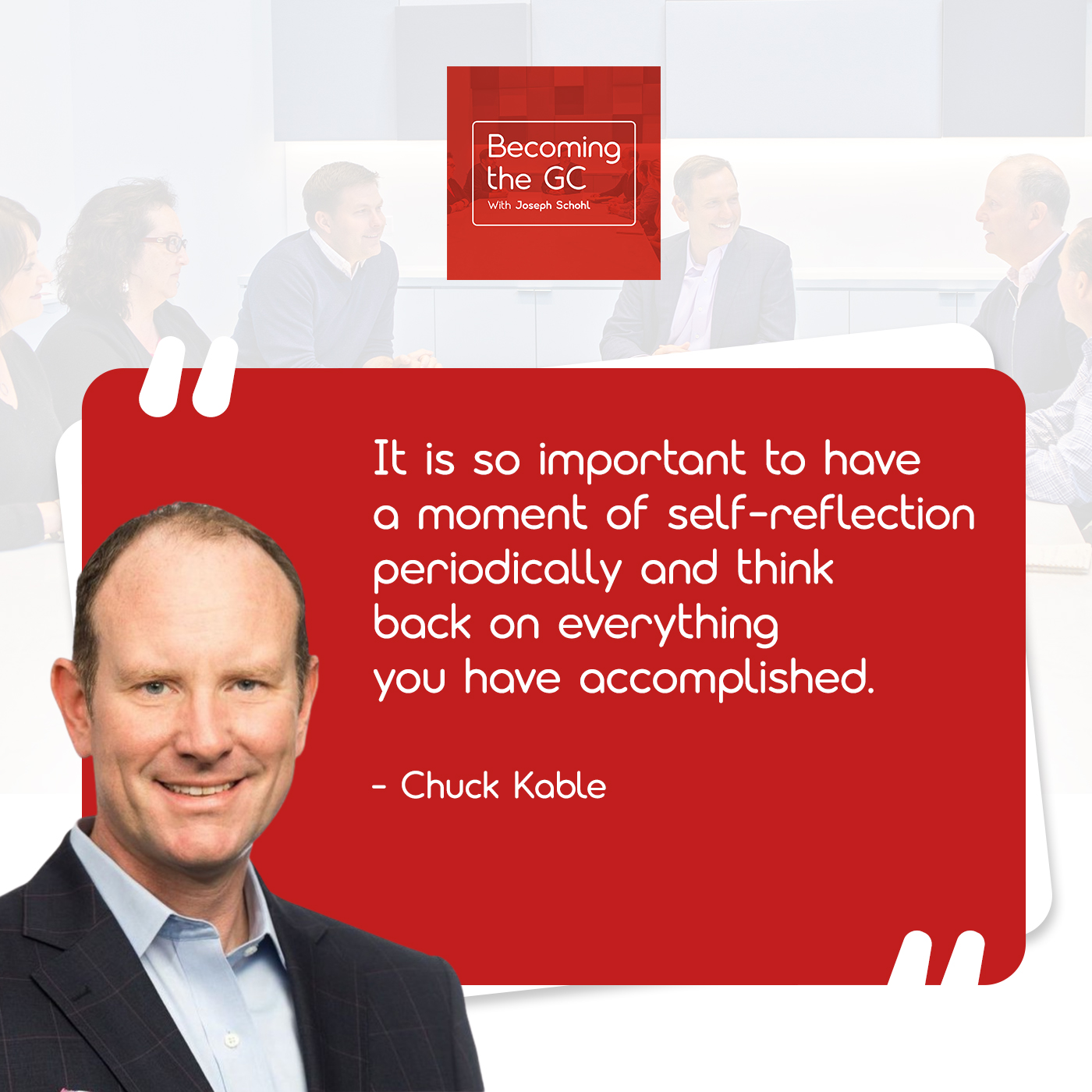
If you’re in any role where you’ve got to be involved in decision making, you second-guess yourself. I think that’s why it’s also important to have a moment of self-reflection periodically. That’s very helpful for me, to just think back on all the things that you’ve been a part of that you’ve accomplished the challenges, the things that didn’t go well, the things that did go well. I think it gives you that strength.
Engaging Your Team With Intention
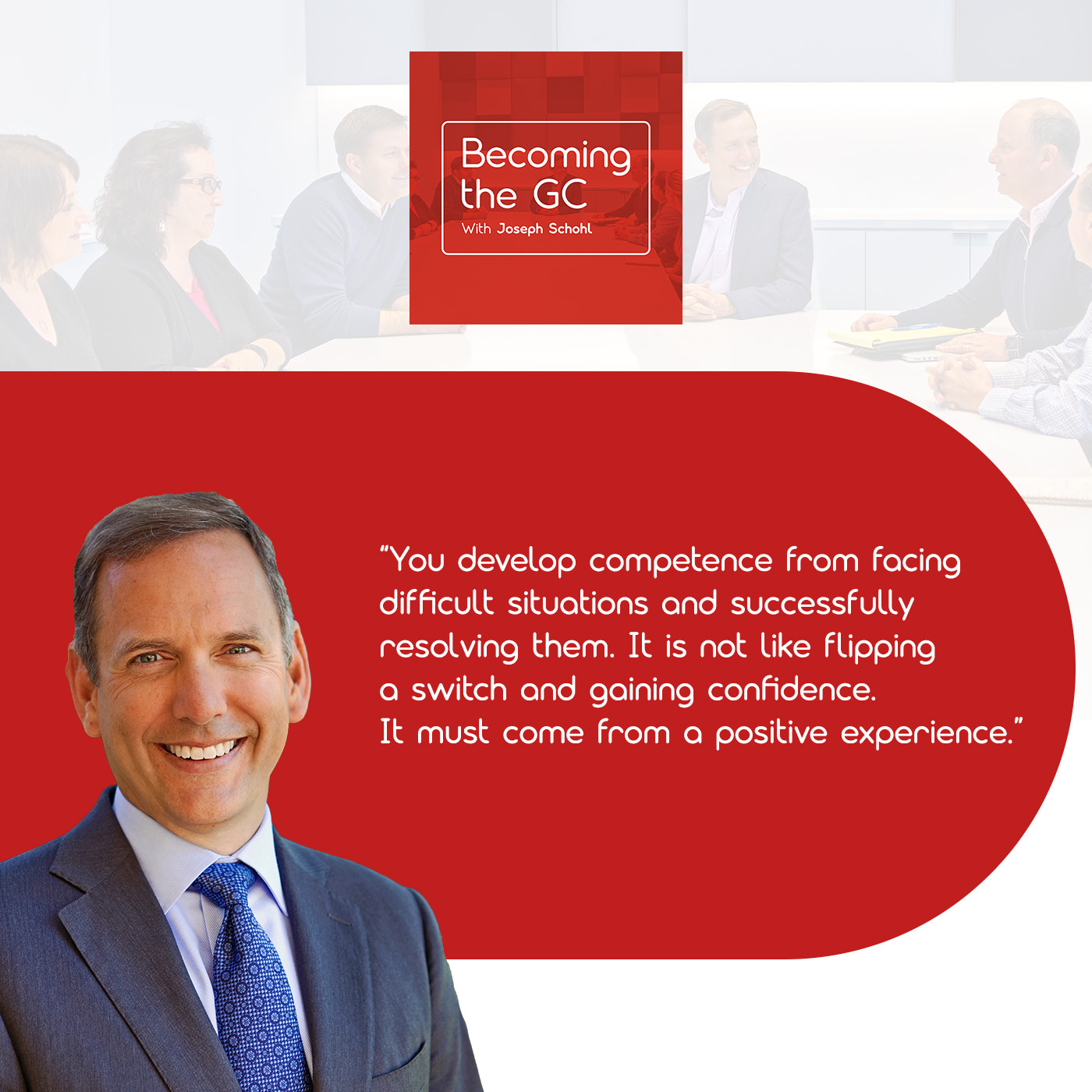
I personally keep a list and I recommend to my coaching clients, especially if they’re earlier in their career, now’s the time to keep track of all the successes that you’ve had so if you’re facing something new, you can look at it. That builds confidence. People say like, “How do I develop confidence?” You develop con confidence from facing situations and then successfully resolving them. It’s not something like you flip a switch, and now I’m confident. I wasn’t confident before. It comes from positive experience. You’ve got to track that so you can remind yourself of those things. What do you still want to get better at?
Everything. IRC is a much larger business than typically the business I’ve worked for. I think that the skillset is the same but there is less direct involvement and engagement. It makes me feel like I don’t know what’s happening. To me, it’s understanding what are the kinds of updates I want? What are the kinds of updates I need?
It’s that balance, and then also some stuff I don’t need to know about. I don’t care. I trust you guys go handle this, and if you need me for something, let me know. I feel like I’m pretty good generally on that stuff, but there’s always a worry that there’s things that I need to be doing that I’m not, that are just blind spots. As businesses get larger, I feel like that worry becomes a little bit more acute.
You operate in a virtual environment in a lot of ways. You have to be more intentional then about things.
Leaders must be intentional about how they engage with their teams. Share on XYou do. There’s a lot to be said about intentionality and engaging with fellow teammates. I think that this transition to remote, I don’t like it. I’ve done it for a long time. I’m not keen on it. It seems like there’s much more outsourcing of decision-making happening these days where we’re going to have a meeting, we’re going to have an email, and then you’re forwarding the email, you’re bringing in more people. You have this phenomenon where you’ve got too many cooks in the kitchen. Everybody has a voice, but no one wants to make a decision. There’s confusion. Some of that is because of this virtual environment.
Your comment on being intentional is spot on. You have to be very intentional about how you engage. The way that I manage meetings, I really want to do better at that. I’m a poor planner, so I need to be able to plan. If I’m going to have these meetings, I want to plan it. What am I going to talk about? Why am I going to say that? Is this something I could just send in an email? Why are we having a meeting in the first place?
That self-analysis is helpful to me. I’m reading some books about different things I can do to help focus some of these discussions. A lot of times, they are very helpful. I’ve got standing meetings that I handle, huddles for lawyers, huddles for the support team, and then we have a monthly check-in. By and large, they’re pretty good, but they could be a lot better and more effective.
Bart’s Book Recommendations
Anything you’re reading that you’d recommend?
Yeah, I’ve got a couple. I’ve got one right here. This is called No Fail Meetings.
That’s by Michael Hyatt. He used to be a coach of mine. I used to go to Nashville once a quarter. I paid for myself. My employer never even knew I was doing it. I encouraged people. You don’t need to have somebody pay for these things. It’ll pay off for you in the long run.
That’s so great. I use the Full Focus Planner.
Same. I got mine right here.
I’m pretty inconsistent with it, but I do use it. I’ve got mine right here. I’m reading Free to Focus right now. That’s a great one. The other book I’m reading is called Traction, and that’s the Entrepreneur Operating System book. It’s not directly applicable. Not every bit of it is directly applicable to departmental operation, but there are some really good nuggets I’m getting out of that as well. I had to think about how to simplify things a little bit.
Staying Sharp And Securing Constant Growth As A Leader
I was going to ask you what do you do to stay sharp and continue growing as a professional and as a leader? It sounds like you like to read.
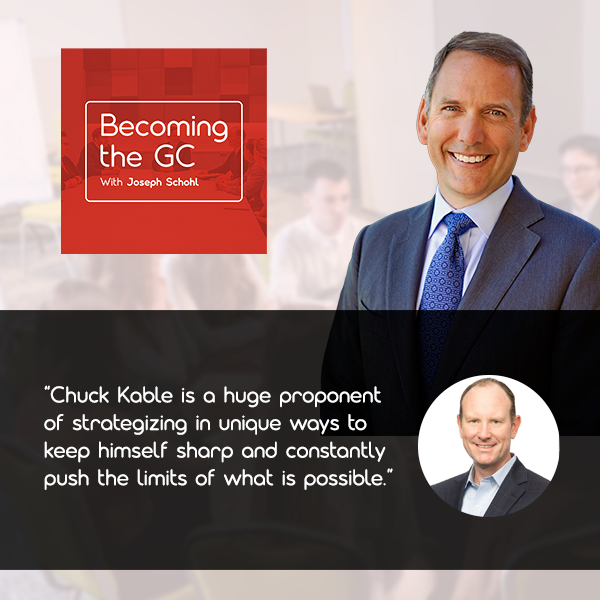
I try. I try to spend time reading and usually, my colleagues are really good sounding boards for ideas too. I’m a pretty big proponent of strategizing unique and different ways of doing things. That keeps me sharp too, just by testing the limits or the bounds of this is how we’ve always done it, which may sound crazy for a GC, but that’s just how I’m wired. I do try to read just to help myself, because I feel like I’ve got to keep running. Technology’s another big focus of mine, understanding how AI’s developing and how we can use it and all that stuff.
Know when to say no. Always prioritize yourself and your schedule. Share on XWhat about how do you manage so many competing inputs on your time demands for your time to make sure you’re doing not only reacting, but also making sure you’re being proactive?
It’s like the Eisenhower Matrix, really. That’s really how about I think it. What I try to do when you take a step back is identify patterns. Can this be automated? Can this be consistently delegated?
The Eisenhower Matrix, for people reading, is what a lot of people think of Franklin Covey, the Covey Model, which is like mapping urgent and important, trying to make sure we’re spending enough time in the important, but not urgent. Somebody’s not asking for it, but it will soon become important and urgent if you don’t get out in front of it and be proactive.
Yeah. On top of that is delegate. There’s the Eisenhower Matrix and there’s Delegate, Automate, Eliminate, which also comes out the Traction book. That resonates with me because it rhymes. That’s how I try to think about everything.
Who’s the third one? It’s delegate, automate.
Eliminate, like, “Don’t bother me with this again.” No, but it’s knowing when to say no to, which is essentially what all this stuff is about. It’s just prioritizing yourself in your schedule with the right stuff. The highest and best use is the goal. Finding it and getting there is a challenge. I’m very quick to tell people. I’ll ask people, “Why do you want me on this? What are we talking about?” I’ll get included on everything. I already have typically two days a week are filled with meetings. For some reason, lately, my Thursdays and Fridays have been really good. I’d love to keep that. Don’t tell anyone.
Take A Chance And Do Something Different
If you could give a piece of advice to a younger Chuck Kable who’s looking to become a GC, what would you tell him?
I’d tell him to take a chance. I think the reason I made it on this long and winding road was because I wasn’t scared to try to do something different. You just have to consistently look for ways in which your skillset applies. You’ve got to go for it. It’s making those connections in your mind about how you could do this. It’s organization, it’s critical thinking. If you have some subject matter expertise on top of it, that’s what’s going to get you in the door.
It’s personality and knowing people, too. I just threw 10,000 things at myself. Take a chance and then really focus on developing those people skills and understanding people and how to communicate. That probably takes you the longest way, mostly because people have a very regimented view of what a lawyer is. I rarely am told, “You seem like a lawyer.” I have a different approach because I want people to open up to me because that’s what has to happen when you’re in-house.
Being A Loving Father To Five Children
What do you like to do when you’re not lawyering or being a GC?
I’m a busy dad. I’ve got five children. My first is in college, and then the rest of them are crazy sports fanatics. I’ve got water polo players. I’ve competitive volleyball players. I spend a lot of time supporting my kids. We are a family that values experiences. When we’ve got the time, we really enjoy going to Disney World as a family. We’re one of those Disney freak families. We just enjoy it. We’ve got enough. We’re familiar with it. It’s low stress for us. We really enjoy that time together.
The Importance Of Staying Positive
What are you most looking forward to?
Tomorrow. Just kidding. There’s a couple of different answers to that question, but if I focus on work, I’m really looking forward to seeing how we can use AI to help drive that highest and best use in terms of everything that we do. More so, I’m just generally excited about the future. Staying positive is important to me. It’s easy. I’m a news fanatic, too, on top of it all. It’s really easy to read the news and be like, “It’s horrible.”
I sometimes fall into that.
You look around and we’re all part of communities, wherever we live, and we’re good people and we care about each other, and we go to football games, we support our kids. We care about what happens. That gives me hope and gives me some positivity to be happy about the future.
I can’t think of a better way to end our talk than right there. Thank you, Chuck. I really appreciate your coming on.
Yeah. Thank you.
—
Thank you for reading. I hope you enjoyed our time with Chuck. I know I did. A few key things I’ll take from this episode are number one, take the leap. Chuck’s journey proves that bold moves and embracing the unknown can lead to extraordinary opportunities. Number two, don’t just keep up. Get ahead. From AI to legal ops, Chuck shows how innovation isn’t optional, it’s essential.
Third, remember, it’s not just about the law, it’s about people growth and having the courage to bet on yourself. Until next time. For more tips on accelerating your path to becoming a world-class general counsel, subscribe to my newsletter at InsideCounselAcademy.com and connect with me directly on LinkedIn. Thanks for reading. Now go make your own impact.
Important Links
About Chuck Kable
 As General Counsel, Chuck Kable ensures that the legal team remains focused on providing efficient and effective service across all aspects of the company’s joint ventures. Throughout his career, he has advised businesses on strategies to mitigate risk while maximizing growth. He previously served as Chief Legal Officer and Chief Human Resources Officer for Axiom Medical, a leading provider of occupational health services to businesses nationwide. Before that, he held the role of Chief Legal Officer at Emerus Holdings, Inc., the nation’s first operator of micro-hospitals in joint venture partnerships with major healthcare systems across the country.